Domesday to the present day
The history of Wattisham Hall
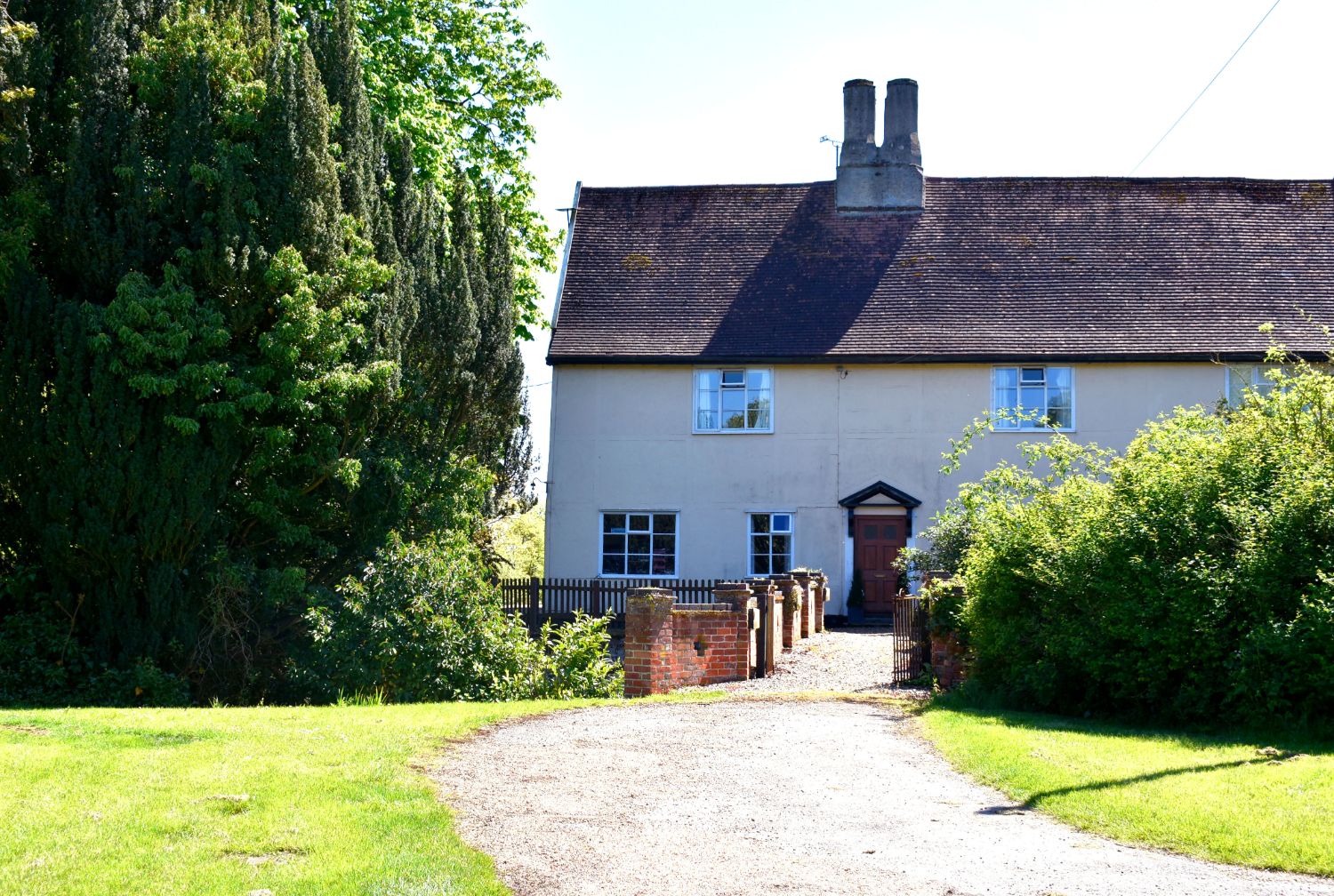
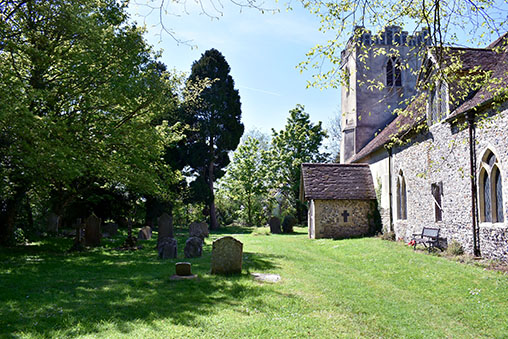
The cottages stand in the grounds of Wattisham Hall, which dates from the early 17th century. The moat that surrounds the house is older still, probably 12th or 13th century, and it lies inside a larger rectangular enclosure that also takes in the parish church and two other medieval barns. The archaeologist Edward Martin, former Archaeological Officer for Suffolk County Council, describes it as one of the most interesting and best preserved medieval manor sites in Suffolk, and a remarkably intact example of how the Norman conquerors stamped their authority on an existing Anglo-Saxon landscape.
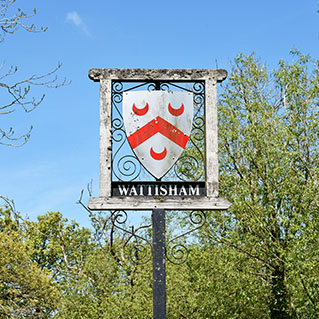
The village sign
1086
The knights of de Wachesham
The site was originally the seat of a family of knights who took the name de Wachesham, and who are recorded in the Domesday Book of 1086. Part of their land was granted by the King in return for an unusual service, recorded in Latin as ‘unum saltum, siffletum et pettum’: a jump, a whistle and a fart, to be performed in front of him.
1932
The family arrives in 1932
The farm passed through many families over the centuries before Taylor Knock, Jeremy and Simon's great-grandfather, bought it in 1932. It has been in the family ever since.
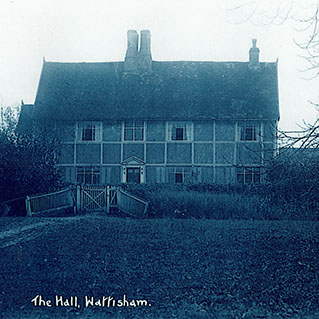
The Hall, Wattisham, on an old postcard
1944
12 October 1944
On 12 October 1944, a USAAF ferry pilot was flying a P-38 Lightning out of Wattisham airfield when the aircraft came down at the end of the runway. It skimmed one of the barns, struck the kitchen of the Hall and burst into flames.
Three people lost their lives: the pilot, 2nd Lt Charles Agbashion; Ivy Haxell, who worked at the Hall as a maid; and 16-month-old Colin Knock, the nephew of Jack and Kathleen Knock, who were farming here at the time.
The south wing of the house was destroyed, and only the chimney stack prevented the aircraft from destroying the rest. The wing was rebuilt in 1945, and charred timbers can still be seen in the roof space today.
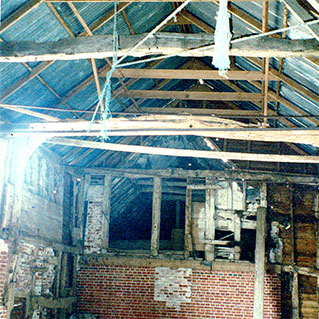
One of the barns before we converted it
1997 to today
From 1997 to today
We moved into the Hall in 1997 and brought up our daughters here. The three barns opened as holiday cottages at Easter 2005.
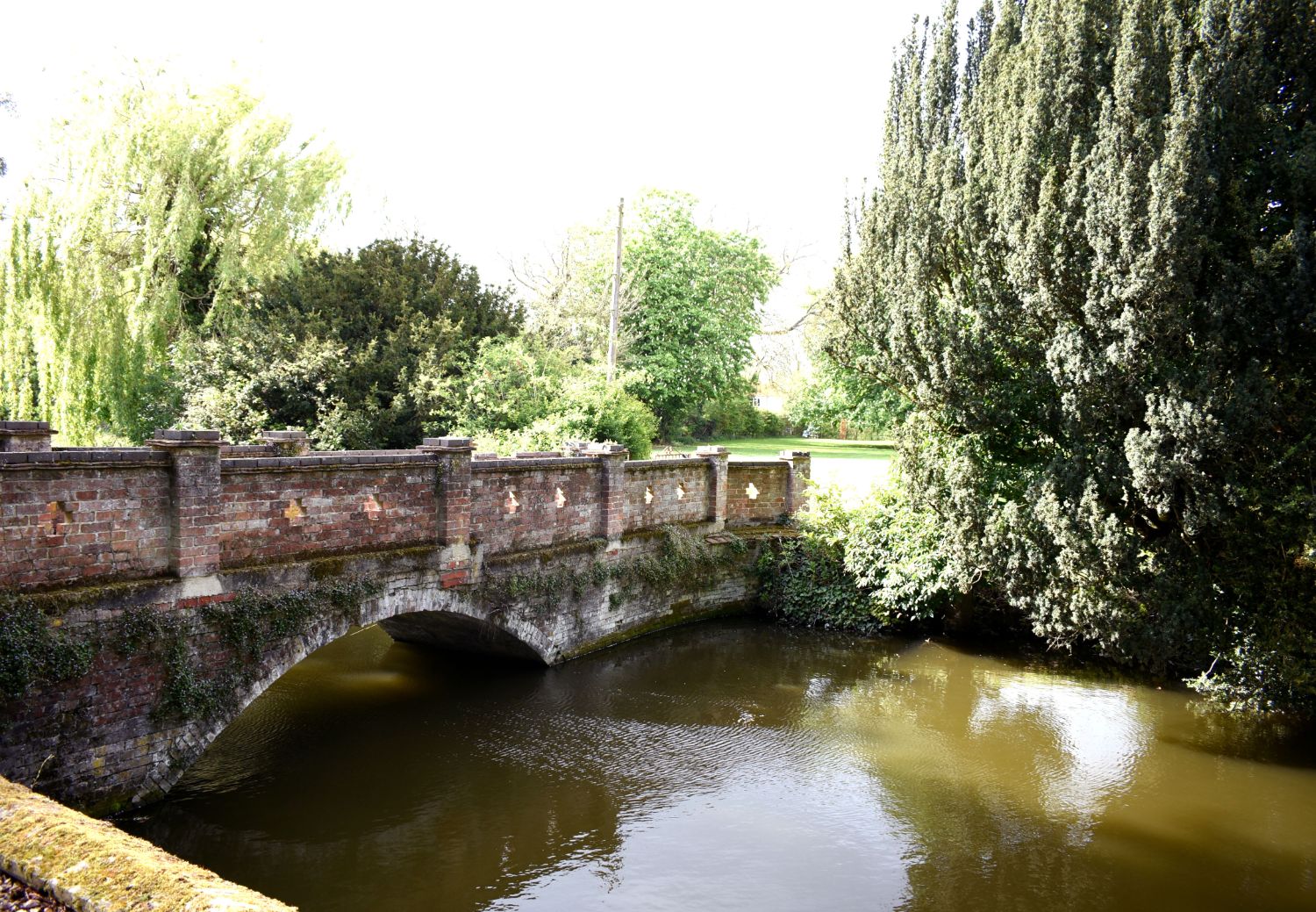
What you can see during your stay
The Hall is Grade II listed, and the barns are listed along with it. As it's our home, the house itself is private, but you can see it from the front, and you're welcome to walk around the moat through the orchard, crossing the wooden bridge.
The church next to the Hall is owned by a trust and used as a village meeting room. It isn't open to visitors, although you can walk in the churchyard. Of the two other medieval barns, one is now a private home and we hope to convert the other one day.
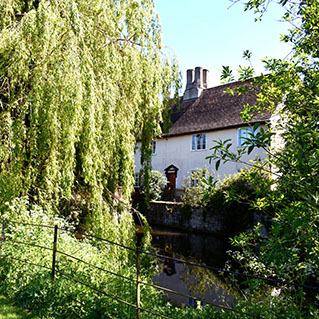
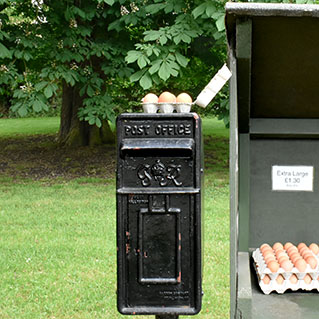
The airfield next door
Wattisham airfield is still an active base, and Prince Harry trained there as an Apache pilot.
History compiled by Edward Martin, local historian, and Maggie Aggiss, author, local historian and curator at Wattisham Station Heritage.